Carrying out upgrades to a significant stretch of road that links one part of a capital city to another is no small feat. So when Downer was tasked with upgrading Thorndon Quay to provide more low-carbon transport options for commuters, their focus was on keeping traffic moving smoothly and maintaining the safety of drivers, cyclists, and pedestrians.
In this case study, we examine how Downer enhanced safety and efficiency throughout the project by adopting innovative pedestrian and traffic safety solutions. Having the insight to work with better alternatives that were more suited to this particular project allowed them to save time, money, and most importantly, prevent incidents.
Project Overview
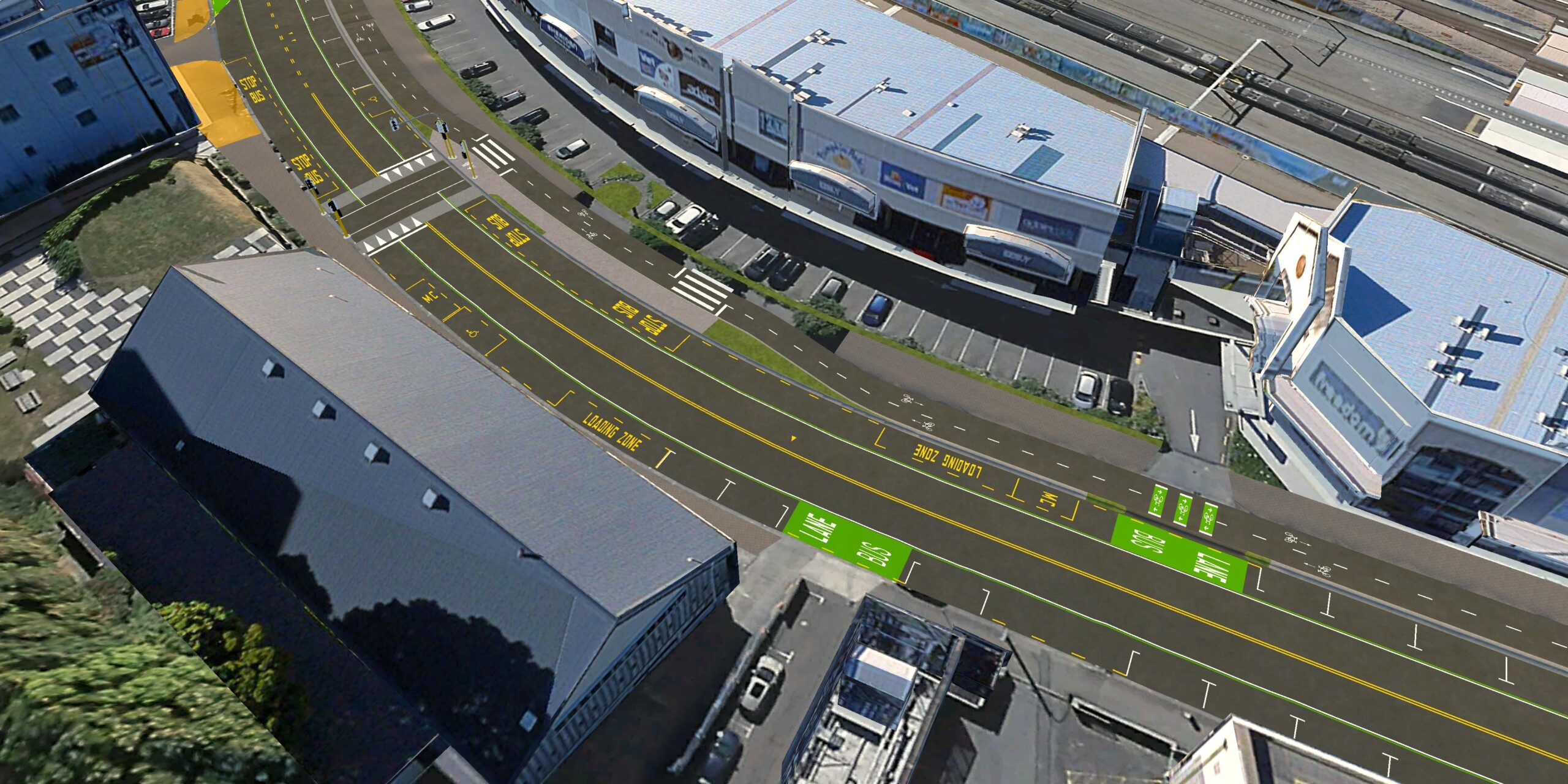
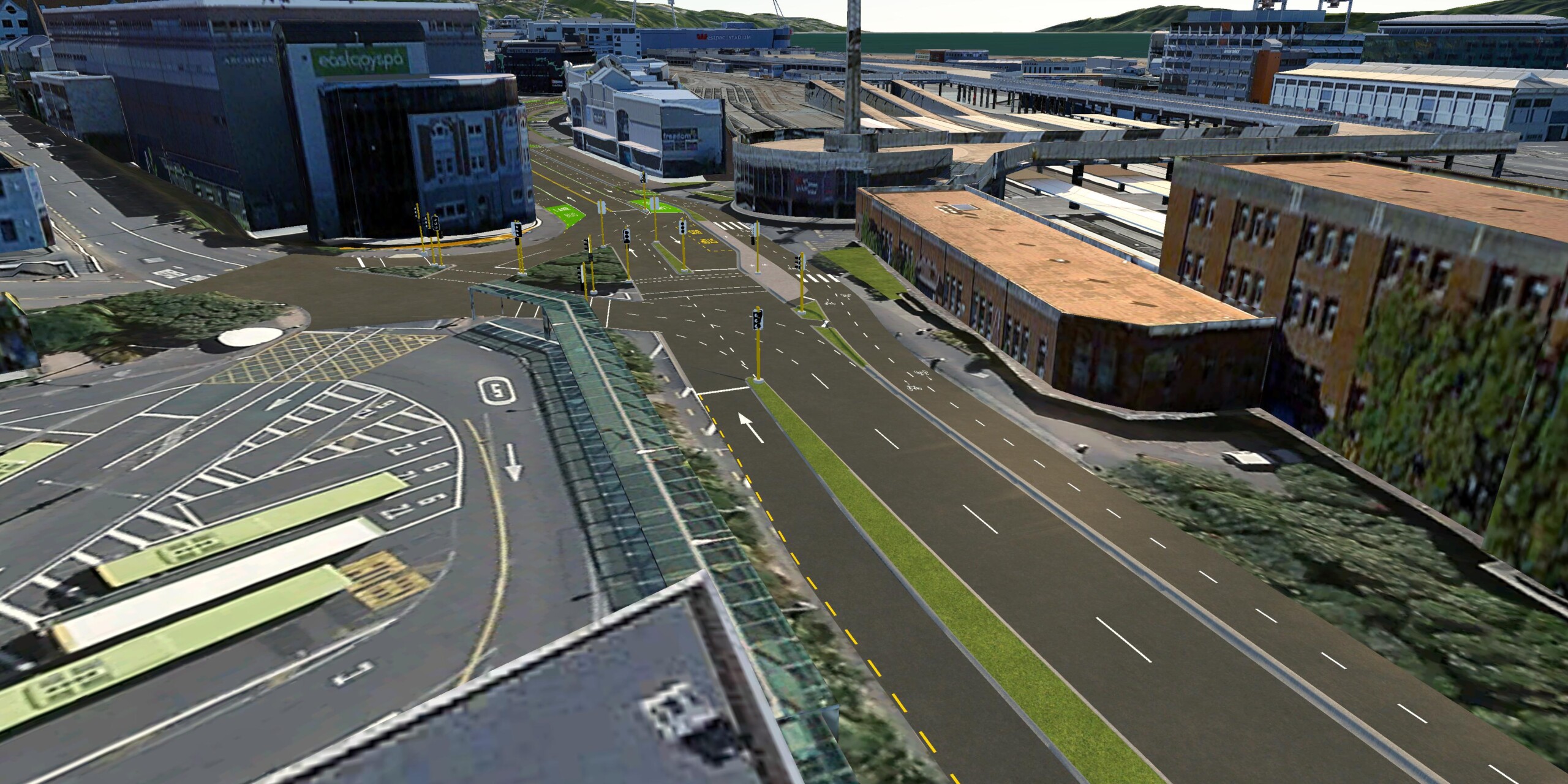
Downer has plenty of experience with civil works projects of this scale. However, when it came to upgrading one of Wellington’s busiest commuter routes, they began looking for more efficient and cost-effective solutions than had been previously used. With approximately 10,000 people travelling by bus and 1,300 by bike between Wellington Railway Station and Tinakori Road every day, managing the project safely and efficiently was crucial.
Proposed Upgrades:
● Peak hour bus lanes in both directions to improve bus travel times
● A two-way cycle path on the seaward of the route to avoid intersections and the bus interchange
● Five signalised pedestrian/bike crossings, two of which will be raised
● Improved lighting and planting, along with cultural design elements to recognise mana whenua and the location of awa
● Fewer parks along the route to make space for the bus lane, as well as changes in some parking time restrictions
As the head contractor on the project, Downer approached our team at Vanguard in search of innovative pedestrian and traffic safety solutions to keep the project moving smoothly, avoid delays, and ensure the protection of those travelling through the area.
Here’s how we worked with Downer to achieve just that.
What Challenges Did Downer Face?
Ahead of the Thorndon Quay upgrades, one of Downer’s biggest challenges was coming up with practical solutions to manage vehicle traffic and cover trenches during work on underground infrastructure and utilities.
Ensuring that traffic can flow safely and efficiently while roadworks are underway was a key focus for Downer during the upgrades. Poor traffic management can increase the risk of injury to staff and pedestrians, as well as cause significant disruptions to traffic and workflow—especially in a busy suburb like Thorndon.
As for covering trenches, Downer needed an alternative to heavy steel road plates to significantly cut costs and time, and create a more efficient process for carrying out the upgrades.
Traffic Management
Previously, Downer relied on stand-alone bollards or traffic cones to manage the movement of pedestrians and vehicles. However, these products presented them with the following challenges:
● Variable: No interlocking system for bollards or cones to maintain a continuous flow, allowing drivers to sneak through gaps.
● Safety risk: The Temporary nature of cones and bollards led to drivers exiting their vehicles to move them illegally, presenting a significant risk of injury.
● High maintenance: Particularly with regular high winds in Wellington, cones and stand-alone bollards would often blow over and require regular site checks and maintenance.
Heavy, Inflexible Steel Plates
Like many civil contractors, Downer previously used steel road plates to create a temporary surface for pedestrians and vehicles to move across during ground excavation activities.
However, these products presented them with the following challenges:
● Difficult to install: Steel plates weigh around 500 kg and are often 2-3 metres in size; machinery was needed to move them from A to B—a time-consuming task when it’s required regularly.
● Non-flexible: Fixed dimensions made steel plates unsuitable for varying trench sizes.
● Safety risk: Due to the sharp edges, temporary asphalt was often used to prevent vehicle damage and enhance overall safety.
● Product shortages: Delays in accessing products for hire or purchase hindered job progress, and Downer sometimes had to temporarily back-fill their trenches if they couldn’t get a steel plate to site in time.
● Unsecure: A lack of slip resistance meant that steel plates could move or lift if not bolted down securely.
What Solutions Were Offered?
We listened to what Downer had to say about the shortfalls of their existing safety control systems to understand how we could best support them. To alleviate safety concerns and improve the efficiency of the Thorndon Quay upgrades, we recommended two systems that would offer them a more practical and tangible solution for steel plates, cones, and bollards.
Traffic Delineators
Our Flexible Traffic Separators replaced the need for road cones or standalone barriers. A robust interlocking system, also known as ‘the traffic snake’, helped establish clear lanes, prevent traffic from deviating from the route, and remain secure in place. At one point, nearly 1 km of delineators were installed, covering a substantial portion of the road along Thorndon Quay.
The recycled rubber base modules were connected and paired with reflective, flexible posts through a quick-release system, making installation and removal a seamless process. Laid loose, they could be easily removed and reused for future projects.
“Our Downer team came across the traffic delineators during the planning process and looked into how the product had been used in previous Vanguard projects. Some of our supervisors had experience with the product and shared positive feedback.”


Composite Trench and Hole Covers
Downer used a series of LowPro® Road Plates (23/05) to cover trenches during the Thorndon Quay upgrades for a safer and more efficient alternative to steel road plates. The composite modular road plate system allowed them to link the modules together based on the size of each trench.
With each module weighing 65 kg, the entire installation could be completed by two people, eliminating the need for heavy machinery and significantly reducing setup and removal time. As a result, Downer saved time and money and had more flexibility during the upgrades.
The moulded anti-slip surface and drop pins also meant the plates were less likely to shift from their position. As an additional bonus, the plates also doubled as a speed calming measure. While the composite road plates came with a higher upfront cost than steel plates, the investment paid dividends.
With the plates approved by Wellington City Council’s Corridor Team, Downer had an increased sense of confidence that the solution was approved for the road.
“They offer flexibility—whether it’s a trench crossing or you’re doing footpath remedials, the versatility of the composite plates is great in terms of getting the right size fit for the job. Their durability also means they can be passed on from project to project.”


The Outcome
From the initial discussion around which TTM would be the safest and most efficient, right through to implementing the solutions, Downer was “very happy” with the process and how the solutions stood up to the on-site risks.
In their own words, here’s what Downer valued most:
- The speed and flexibility of establishing and making changes to each site setup—typically, each 200m site setup would take one workshift, with four crews.
- Minimal maintenance was required to keep an effective and compliant TTM setup in place, thereby increasing safety and reducing safety audit findings.
- Adaptability for re-use on future projects.
- Aesthetic appeal of a well-presented and managed site—our client and also the travelling public were extremely impressed with this aspect.
Do You Need Better Site Management Solutions?
In a busy city environment, Downer required low-maintenance products that would get the job done right. During the research phase of their process, it quickly became clear that Vanguard’s traffic delineators and composite road plates would be the most effective way to manage traffic flow and cover trenches on-site.
By enhancing the safety and efficiency of the upgrades overall, contractors were able to carry out these civil works in a manner that was well-planned, well-managed, and innovative in design.
“Vanguard’s solutions are definitely the way forward. In terms of customer service, they’ve been really good to deal with, and they’re always willing to listen to feedback. The whole process has worked out really smoothly.”
Need help with traffic management controls and pedestrian safety on your project?
If you’re ready to find the right solutions for you and your site, get in touch with us to start the conversation!
Simply fill out the form below, speak with one of our team members via our live chat, or give us a call to explore your options.