


Building a new traffic island has traditionally meant pouring concrete or laying concrete kerbs, then waiting for everything to cure before the road can fully reopen.
For many projects, that’s simply part of the process. But what if time is limited?
Whether you’re upgrading an existing road, installing a new pedestrian refuge or making changes to a car park, every extra hour on site can increase temporary traffic management costs and create more disruption for road users.
That’s where modular Rubber Kerb Blocks offer a practical alternative.
Designed for retrofit projects where time matters
While conventional concrete islands still have their place, particularly on large infrastructure projects where concrete crews are already on site, many traffic island installations don’t have that luxury.
Retrofit projects often need to be completed quickly with minimal disruption. The faster the installation, the sooner traffic can return to normal and the lower the overall traffic management costs.
Because rubber kerb blocks are simply positioned and bolted into place, there’s no waiting for concrete to cure before reopening the road. Once the island has been installed and infilled with your chosen material, the area can be reopened immediately.
For contractors, that can make a significant difference to project timeframes and budgets.
One system, countless traffic island layouts
No two intersections or road layouts are exactly the same, which is why flexibility is one of the biggest advantages of a modular kerb block system.
The system includes straight sections, radius blocks and multiple component sizes that can be combined to create almost any traffic island configuration. Individual blocks can also be custom cut to suit unique layouts, making it easier to work around existing road geometry without expensive custom concrete work.
Once the kerb outline has been installed, the island can be infilled with a range of materials including concrete, asphalt, synthetic grass, mulch or decorative finishes depending on the application.
Choosing the right kerb profile
Different traffic islands serve different purposes, so the system includes two profile options.
A semi-mountable profile has a gradual slope that allows vehicle tyres to safely mount and leave the island where occasional overrun is expected. This makes it well suited to locations such as tight intersections or turning areas where larger vehicles need additional clearance.
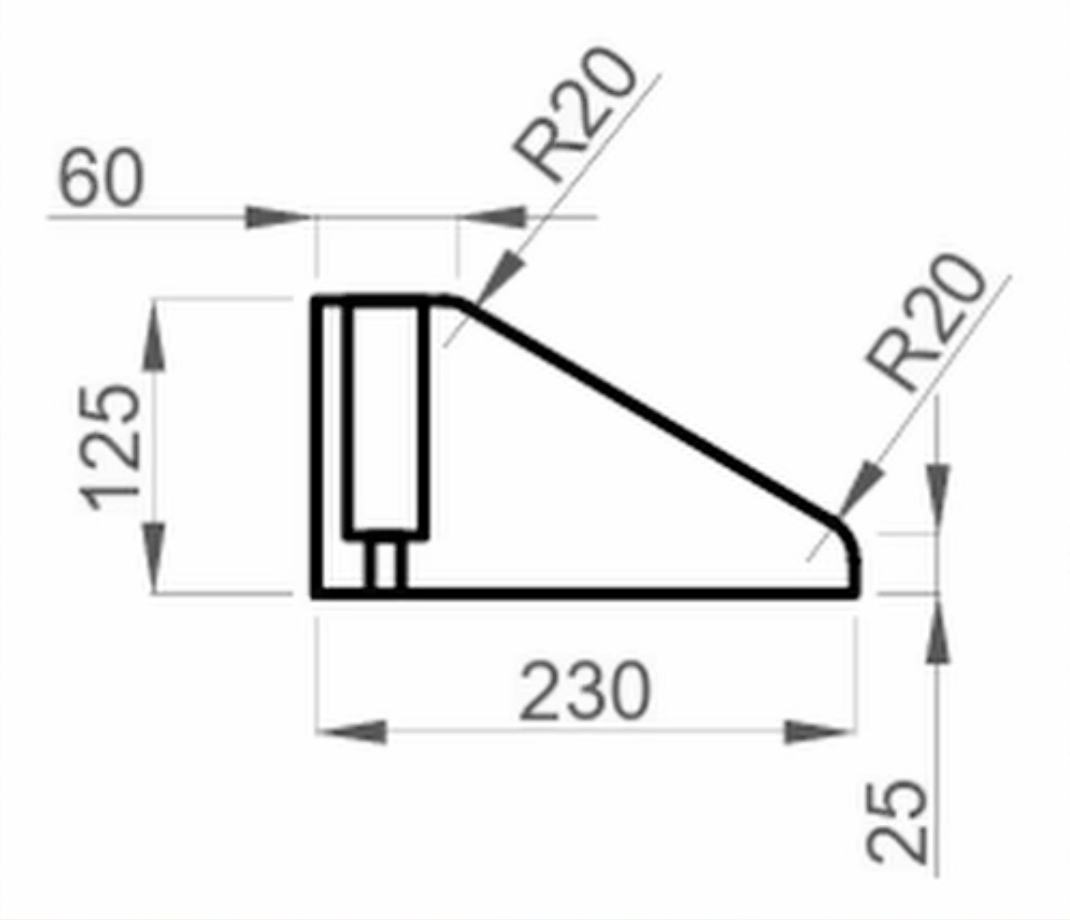
A semi-barrier profile provides a steeper face that creates a more physical separation between vehicles and protected areas. This profile is commonly used where preventing vehicles from driving onto the island is the priority, such as pedestrian refuges or other protected traffic islands.
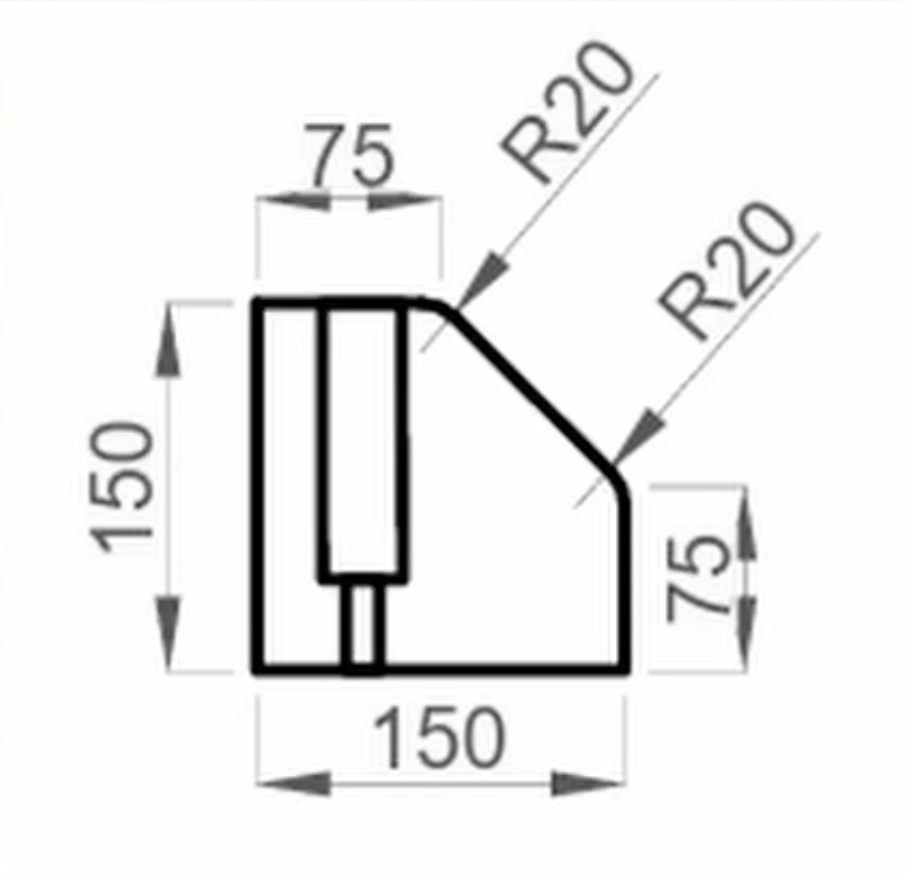
Selecting the right profile helps ensure the island performs as intended while maintaining safe vehicle movements.
Built for long-term performance
Although they’re made from recycled rubber, these aren’t lightweight temporary products.
Each block weighs up to 27kg and is manufactured from heavy-duty rubber designed to withstand regular vehicle traffic. Similar installations have been in service in Australia for many years, demonstrating their durability in demanding environments.
Another practical advantage is maintainability. If an individual section becomes damaged, it can simply be unbolted and replaced without removing the entire island. That makes ongoing maintenance faster, more affordable and less disruptive than repairing traditional concrete islands.
From plans to installation
One of the biggest benefits of the system is how straightforward the process can be.
It starts by sending through your traffic island plans or concept drawings. Vanguard works with you to determine the most suitable block configuration, identifies whether any custom cutting is required and supplies the components ready for installation.
On site, contractors position the modules, bolt them into place using the supplied fixing kits and complete the island with their preferred infill material.
The result is a durable, custom traffic island that can be installed significantly faster than traditional concrete construction.
Is a modular rubber kerb system right for your project?
If your priority is reducing installation time, minimising road closures or lowering temporary traffic management costs, modular rubber kerb blocks are well worth considering.
They’re particularly effective for retrofit projects where speed and flexibility are important, while still delivering the durability required for long-term road use.
If you’re planning a traffic island project, Vanguard can help review your plans, recommend the right configuration and ensure you have everything needed for a successful installation.
