

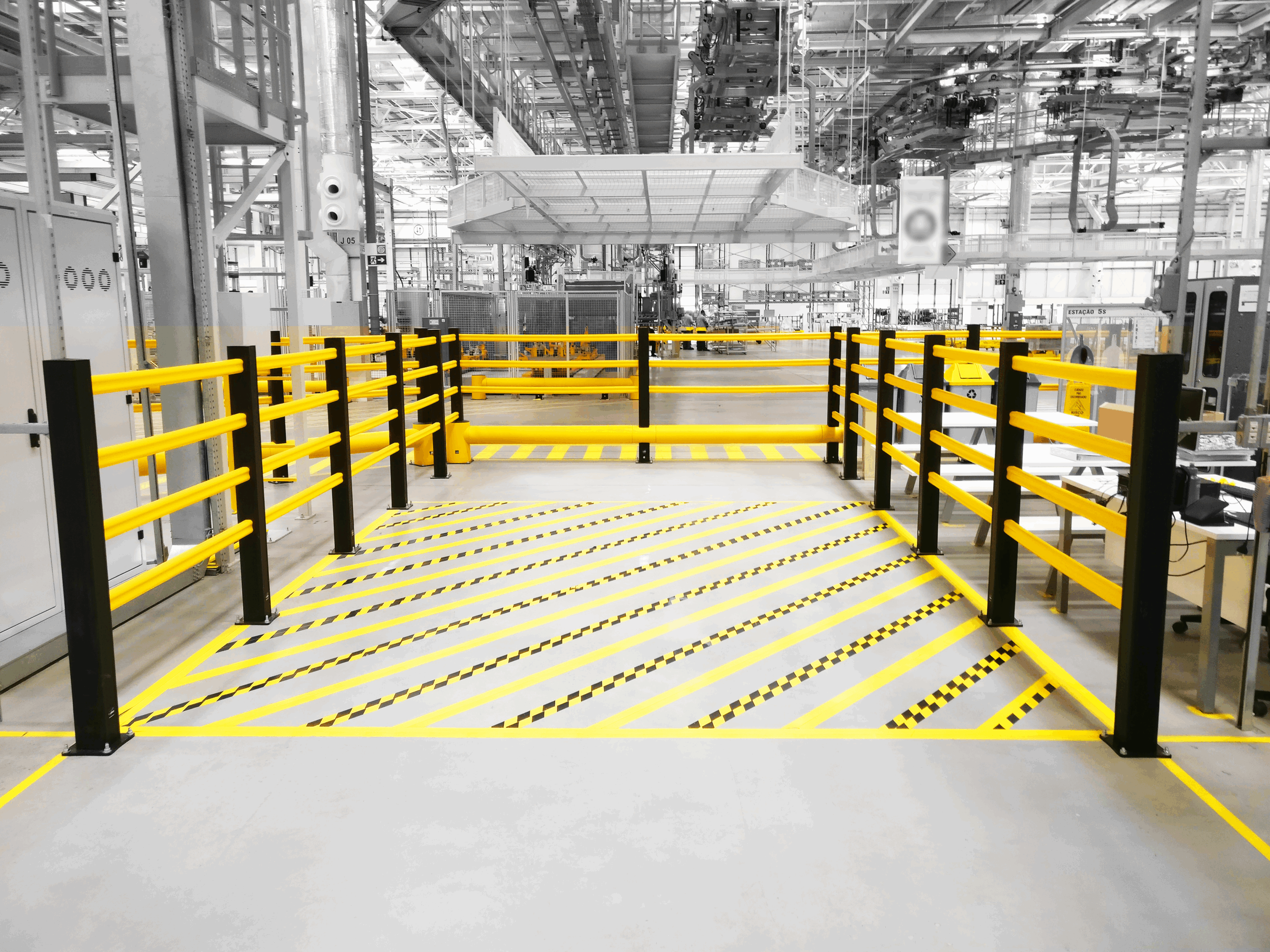
When deciding between steel and flexible barriers, cost is one of the biggest considerations our clients face. When budgets are tight, people often go for what they think is the “cheapest” option, rather than the right option for their site.
So how do you know which option is right—steel or flexible? The key is to question why you’re installing the barrier in the first place, and whether it matches the risks in the area.
When it comes to workplace safety, failing to do so might not only cost you more money in long-term maintenance, but if your people aren’t adequately protected, it could cost you the highest price of all—human life.
In this article, we cover:
- Weighing Up Cost and Risk
- Upfront Costs: Steel vs Flexible Barriers
- Installation, Maintenance, and Repair Costs
With this information, you’ll gain a real understanding of the differences between upfront vs long-term costs, where steel and flexible barriers are best suited, and be able to make a more informed decision on what you need for your site.
Weighing Up Cost vs Risk
Whether it’s a health and safety lead or a project manager, cost is always a key factor in decisions about safety controls. Where people often go wrong is putting price before practicality.
With over 30 years of helping people improve the safety and efficiency of their workplaces, we’ve seen how detrimental the consequences can be when people use the wrong barriers for what they are trying to protect—whether that’s machinery, equipment, or people.
There’s the financial cost of having to repair or replace a barrier that’s been hit, and then there’s the human cost when someone is injured or killed, which is irreversible. If a person is harmed, it can result in significant fines for the business and reputational damage.
When contemplating whether to install a steel or a flexible safety barrier on your site, there are some fundamental factors you should always consider before rushing into a decision.
These include:
- Risk level: What are you protecting? People, assets, traffic flow?
- Environment: Indoors vs outdoors, weather, corrosion.
- Traffic types and speeds: Pedestrian zones, forklifts, or heavy trucks.
- Impact testing: What is the likelihood of impact? Do you need a barrier that withstands regular impacts, or is it just for lane delineation?
- Maintenance and lifespan: Whole-of-life cost—upfront cost vs maintenance/ongoing costs and operational downtime.
To find out more about steel and flexible barriers, check out our article “Steel vs Flexible Safety Barriers: What Works Best Where?”
Upfront Costs: Steel vs Flexible Barriers
The upfront cost of a barrier depends on several factors, including its material, configuration, and the level of impact it can withstand. While barriers vary in price by supplier, flexible barriers generally cost more upfront than steel barriers.
Below, we have outlined the upfront cost ranges for our ForkSafe Steel Barriers and Boplan Flexible Barriers.
Steel Barrier Upfront Costs (ForkSafe)
- Walkway and asset protection steel barriers can range from $150/m to $600/m.
- Higher steel barriers, such as cages, tunnels, and topple barriers, can range from $800/m to $1000/m.
Flexible Barrier Upfront Costs (Boplan)
- Walkway and asset protection flexible barriers can range from $360/m to $1000/m.
- Higher flexible barriers, such as cages, tunnels, and topple barriers, can range from $1100/m to $2000/m.
Why Flexible Barriers Cost More Than Steel Barriers
Flexible barriers cost more upfront than steel barriers because they have a higher impact rating and are manufactured from a more complex material than standard steel, making them better suited to tight environments with heavy traffic and frequent impacts. However, they will often save you money in the long term.
With their polymer, energy-absorbing design, they are less likely to chip, dent, or rip out of concrete surfaces, saving you money on maintenance costs and operational downtime.
They are also better for food-safe and food-grade areas because they are much easier to clean, and there’s zero chance of rust.
Installation, Maintenance and Repair Costs
Steel barriers tend to have a lower upfront cost than flexible barriers; however, steel can cost you more than flexible barriers when you add in installation, maintenance, and repair costs.
Steel Barrier Additional Costs
- Aesthetics: Powder coat can chip or flake off after impact, increasing the risk of rust and requiring repainting or repairs.
- Impact Rating: Denting compromises the impact rating, and components need to be replaced.
- Concrete Damage: Repeated impacts can pull fixings out of concrete, resulting in significant barrier and concrete repair costs, as well as operational downtime.
- Maintenance: Requires regular inspection and cleaning.
- Operational downtime: Impact-related downtime can exceed the barrier’s purchase cost.
Flexible Barrier Additional Costs
- Aesthetics: Polymer does not scratch, chip, or rust, reducing maintenance costs.
- Impact Rating: Absorbs impact and returns to original shape, reducing the need for repairs and replacement of rails and posts.
- Concrete Damage: Less anchor stress means significantly less risk of concrete blow-out.
- Maintenance: Replacement is needed only when the polymer shows white shadowing (over-stretching), which happens following extreme impact over time. Minimal routine maintenance (e.g., anti-static spray if needed).
- Operational downtime: Less likely to require emergency repair, dramatically lowering downtime cost over the life of the system.
Which Option Is More Cost-Effective for My Site?
Whether steel or flexible barriers are the most cost-effective for your site is not simply a question of monetary price. As you now know, multiple factors influence overall cost, including how often they need to be repaired and the level of impact protection they provide.
Choose Steel If:
- Traffic is light to medium.
- Impacts are occasional rather than frequent.
- You need cost-effective walkway delineation.
- You accept higher long-term maintenance responsibilities.
Choose Flexible If:
- Traffic is heavy.
- Impacts are likely or frequent.
- Downtime is costly.
- You want the lowest whole-of-life cost.
Hybrid Approach:
Sometimes, a hybrid approach using both steel and flexible materials can be effective. Whether you need both depends on your site and what you want the barriers to achieve in each specific risk situation. Many New Zealand and Australian sites use steel barriers in low-risk impact zones and flexible barriers in high-risk impact zones to get the best cost balance across their facilities.

Making the Right Choice
Choosing between steel and flexible barriers should never be a choice between “cheap” and “expensive.” It’s a decision about risk, maintenance, downtime, and the real cost of keeping people safe. Steel is often the more economical option upfront, but flexible systems usually win when impacts are frequent, or operations can’t afford unplanned stoppages.
The most cost-effective barrier for your site is the one that aligns with the actual risks: light-impact, low-traffic zones may suit steel; high-impact or high-traffic zones are typically better protected with flexible systems. Many sites land on a hybrid approach because different areas carry different risks—and that’s totally normal.
If you weigh up risk, environment, traffic, and whole-of-life cost before you buy, you’ll end up with a barrier system that protects your people, minimises disruption, and delivers the best long-term value. The price tag is only one part of the story; the real savings come from choosing the right barrier for the job.
If you have questions about which barrier system is right for your site, or would like to book a site visit to discuss the best solutions for your situation and receive recommendations, our team is here to help. Get in touch with us so we can start the process, work with you on the design, and provide a high-level cost estimate.
