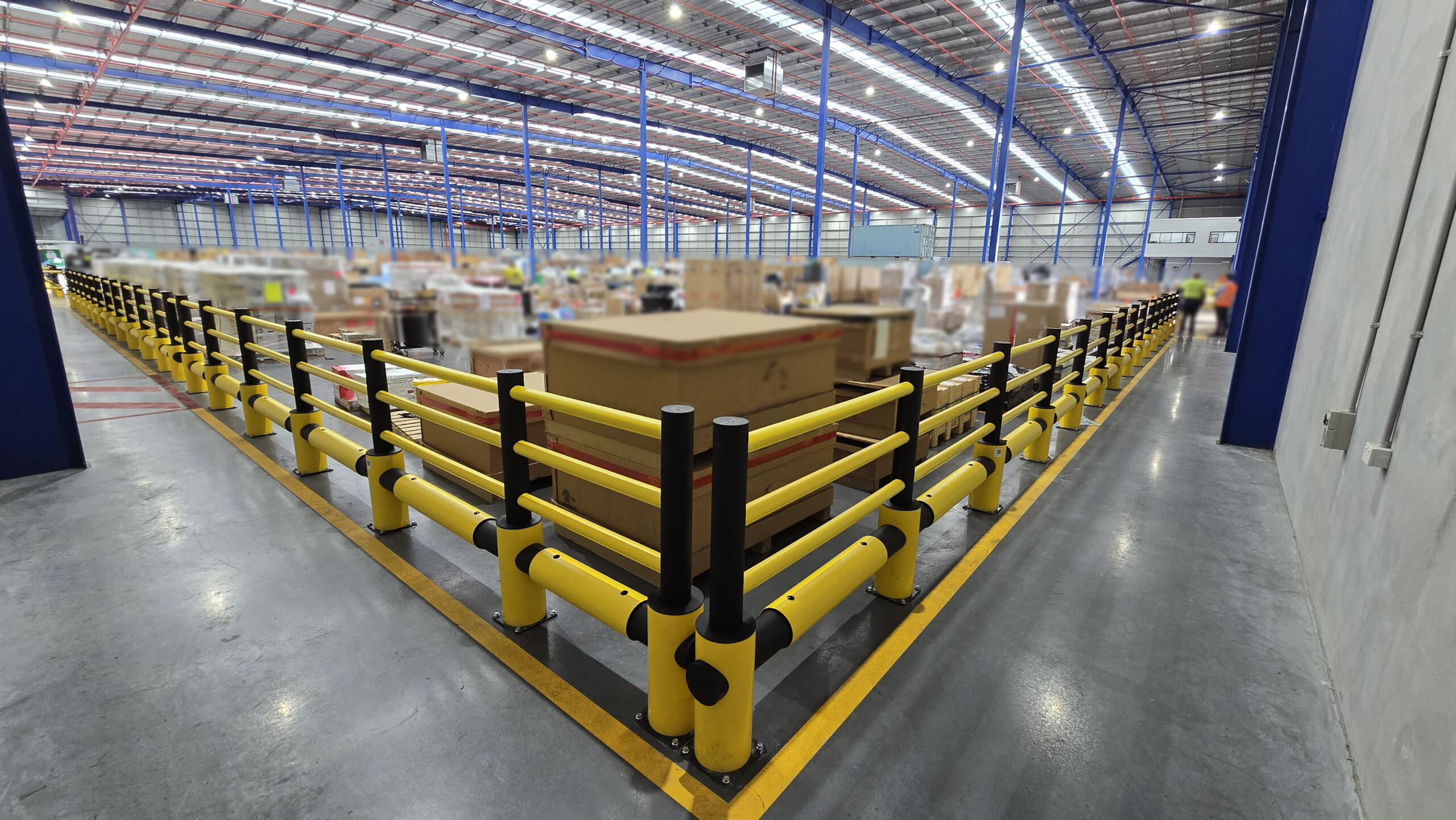
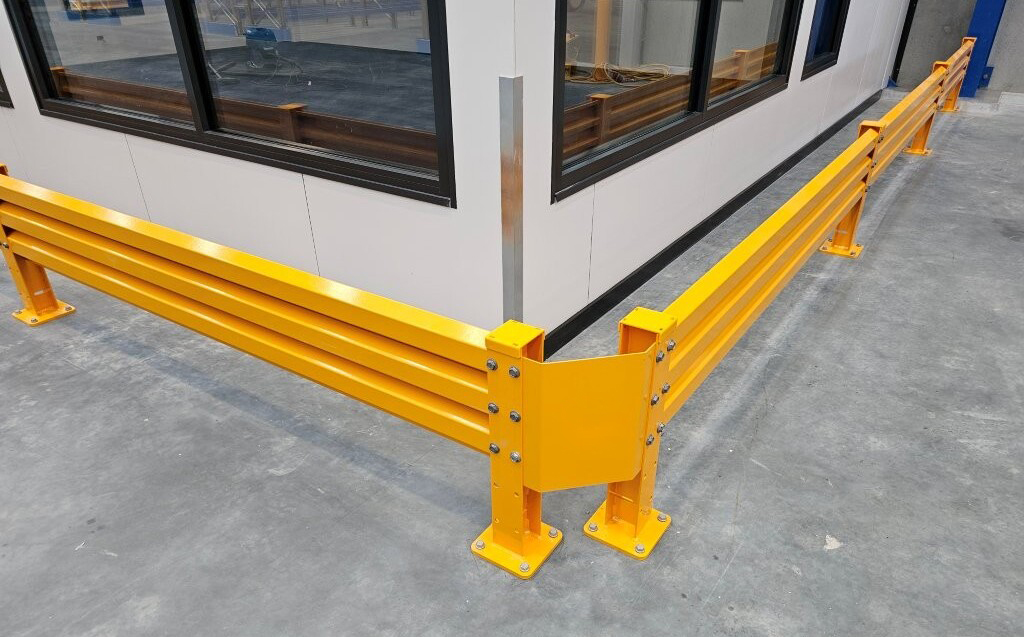
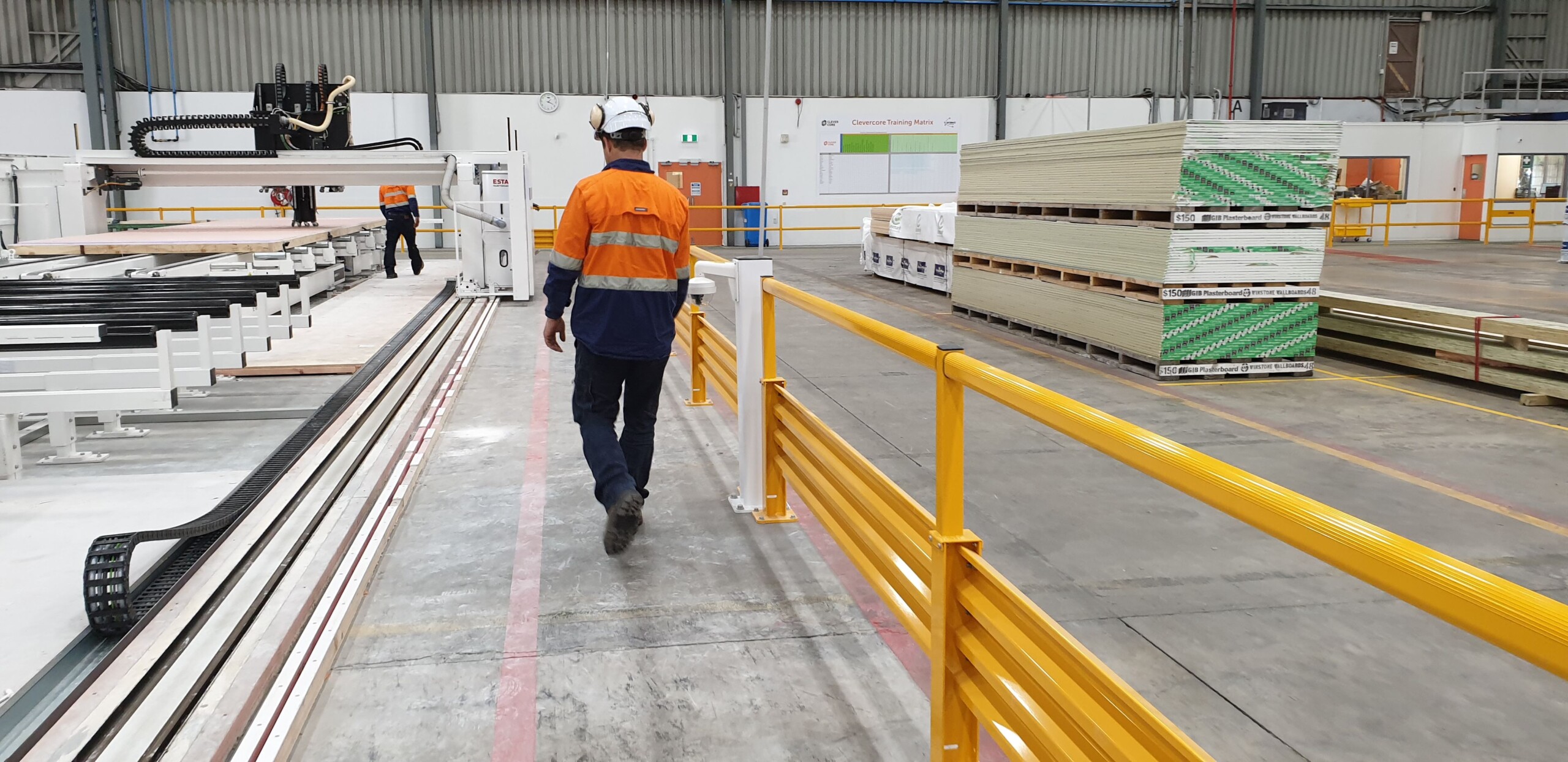
What are Driver Safe Zones?
Designated Driver Safe Zones are modular, bolt-down barrier systems that provide safe waiting areas for visiting drivers, keeping them clear of loading and forklift movements.
They come as flat-pack kits for fast install and are rated for indoor or outdoor use.
How much do Driver Safe Zones cost?
As a guide, pricing ranges between $x to $x, depending on what configuration you use.
It’s important to choose the right configuration, which you can learn more about in the other FAQ’s, or by talking to one of our friendly team.
How are Driver Safe Zones installed?
Driver Safe Zones are supplied as a kit-set and bolt down to concrete using M10 x 100 mm anchors (included).
We can arrange installation for you, or you’re welcome to have your team install them if you want to save costs.
Which model should I choose?
- Standard Duty: use when the zone is away from trucks/forklifts.
- Heavy Duty: for zones near trucks/forklifts; barrier rated to stop 7 T at 6.3 km/h and compliant with PAS 13 testing.
- Extra Heavy Duty: higher-risk zones; rated to stop 7 T at 7.4 km/h, also with PAS 13 testing.
- Caged: adds side walls + roof for maximum protection where loads may topple.
Are they suitable for outdoor or harsh areas?
Yes – our driver safe zone kits are indoor/outdoor rated with powder-coated galvanised construction; designed to handle outdoor weather conditions.
Do Driver Safe Zones meet safety standards?
The Heavy Duty and Extra Heavy Duty barrier assemblies are compliant with PAS 13 testing.
If you need help choosing the right configuration based on risk, our team can help you through this process.
What is the difference between kN (kilonewtons) and kJ (kilojoules)?
kN (kilonewtons) measures force — how much load or push is being applied to a structure at a given moment.
kJ (kilojoules) measures energy — the total impact energy that must be absorbed during an event such as a vehicle strike.
In safety terms, kN relates to load resistance, while kJ relates to impact severity and energy absorption.